Information and training
Provide current operating, maintenance and safety information for Industrial RFID Labels, plus settings, software backups, training and any outstanding actions.
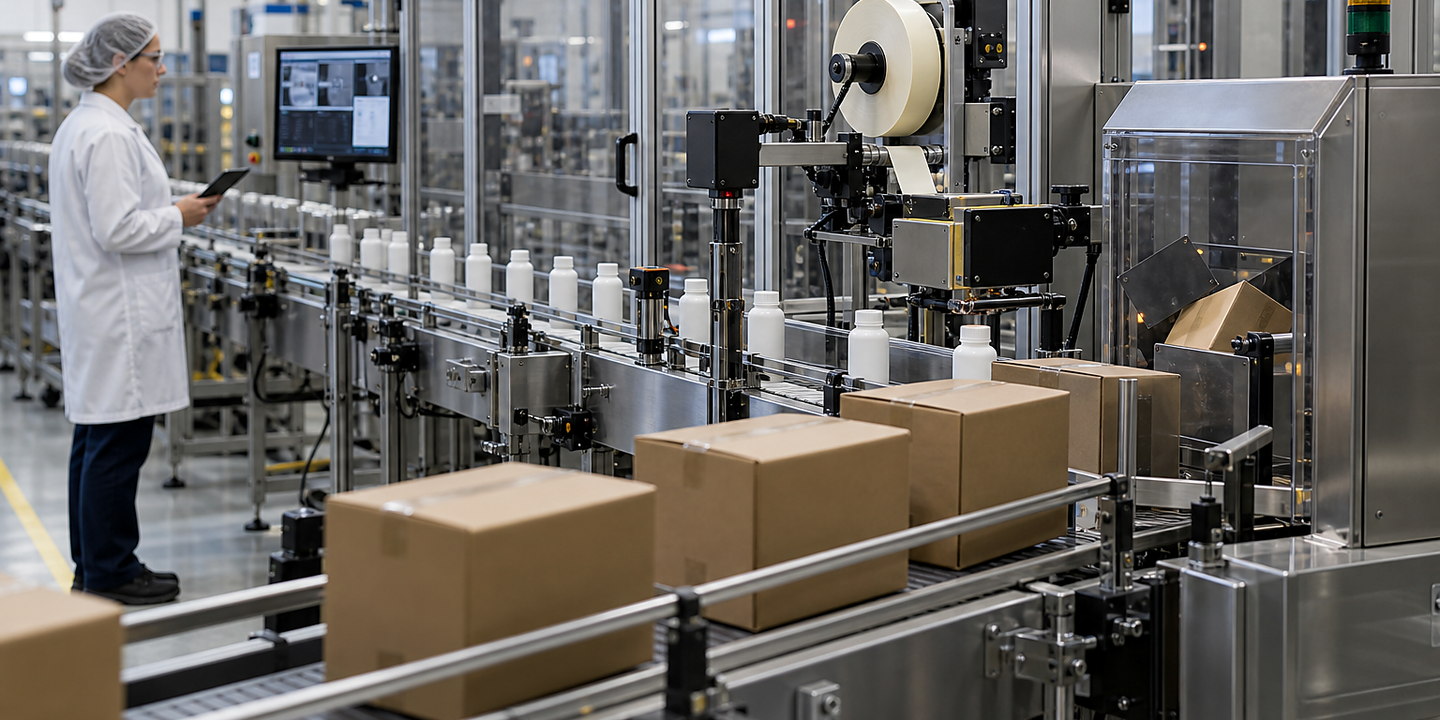
Plan documentation, training, spares, maintenance and change control for industrial RFID labels.
Reliable support for industrial RFID labels starts with safe access, clear diagnostics, controlled settings, maintainable parts and information your team can use.
Your support plan should match the people responsible for RFID label selection for production, logistics and asset-identification duties, the production risk and the response your site needs.
Select industrial RFID labels by item material, mounting surface, attachment, available space, environment, encoded identity and read requirements. Test candidate labels on representative items through the intended lifecycle. Plan the information, access and response needed to keep your operation running safely and consistently.
Discuss your application

Provide current operating, maintenance and safety information for Industrial RFID Labels, plus settings, software backups, training and any outstanding actions.
Set inspection, cleaning, calibration where applicable and wear-part tasks around temperature, chemicals, cleaning and handling lifecycle.
Give the people responsible for RFID label selection for production, logistics and asset-identification duties clear fault information, safe diagnostic access, escalation routes and a controlled restart.
Review new products, parts, software, materials or rates before altering settings that affect printing, encoding, issue, replacement and reconciliation records.
Capture the item, mounting position, reader, orientation, encoded identity and condition affecting item material, curvature and available label area.
Inspect attachment and damage, then reproduce the relevant handling or environmental condition without altering the evidence.
After replacement or re-encoding, verify the read at the required point and update printing, encoding, issue, replacement and reconciliation records.
A new variant or higher rate can alter item material, curvature and available label area, label construction, adhesive and attachment process, frequency, chip memory and encoded identity, reader, antenna, orientation and verification conditions, temperature, chemicals, cleaning and handling lifecycle, and printing, encoding, issue, replacement and reconciliation records. Record the change, assess consequences and repeat the relevant trial or validation rather than assuming the previous result transfers.